
What are terpenes?
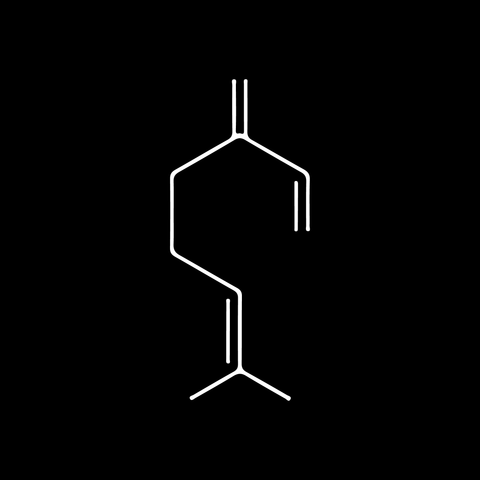
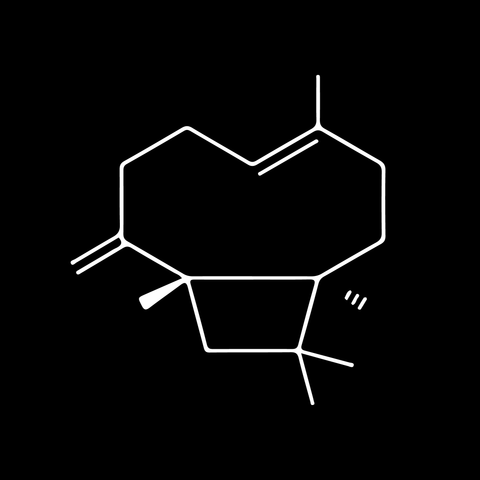
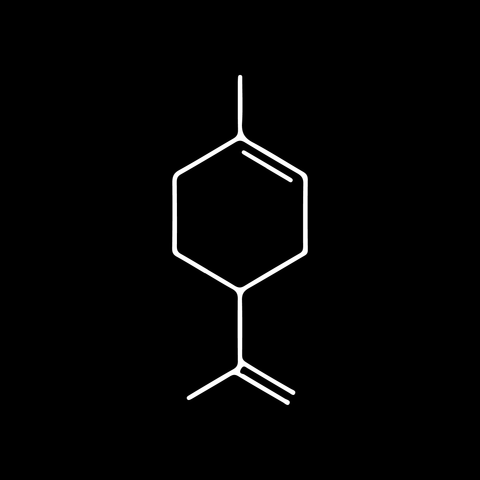
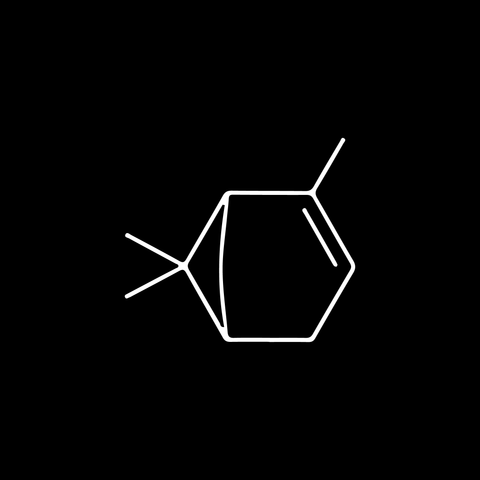
Terpenes are a class of organic compounds that are the main building blocks of essential oils in many plants. They give plants their unique aromas and flavors and have various biological effects and have potential therapeutic agents for various medical conditions. Cannabis terpenes are the fragrant oils found in the flowers of the cannabis plant that contribute to the unique aroma and flavor as well as the effects that different strains of cannabis have on the body and mind. Over 100 different terpenes have been identified in the cannabis plant and different strains can have varying levels of these terpenes, resulting in variations in aroma, flavor and effects. Some common cannabis terpenes include myrcene, caryophyllene, limonene, pinene, linalool, humulene and terpinolene.
Myrcene is a terpene commonly found in the essential oils of many plants, including hops, cloves, thyme and mangoes, as well as in some strains of cannabis. It has a musky, earthy aroma and is known for its sedative and relaxing effects. Myrcene is thought to play a role in enhancing the effects of other cannabinoids, such as THC, by facilitating their entry into the brain through the blood-brain barrier. It is also being studied for its potential anti-inflammatory, analgesic, and antimicrobial properties.
No. 02 — CaryophylleneCaryophyllene is a terpene commonly found in spices such as black pepper, cinnamon, rosemary and cloves, as well as in some strains of cannabis. It has a spicy, woody aroma and is known for its anti-inflammatory and pain-relieving effects. Caryophyllene is unique among terpenes in that it can interact with the endocannabinoid system, specifically with CB2 receptors, making it a potential therapeutic agent for a range of medical conditions, including anxiety, depression, and neurodegenerative diseases.
No. 03 — LimoneneLimonene is a terpene commonly found in citrus fruits, such as lemons and oranges, as well as in some strains of cannabis. It has a strong, citrusy aroma and flavor, and is known for its energizing and stress-relieving effects. Limonene has been studied for its potential anti-inflammatory, antibacterial, and antifungal properties, as well as its ability to promote healthy digestion. It is also being investigated for its potential use in the treatment of anxiety and depression.
No. 04 — PinenePinene is a terpene commonly found in pine trees and herbs such as parsley, basil and dill, as well as in some strains of cannabis. It has a fresh, piney aroma and is known for its effects on alertness, memory and respiratory function. Pinene is being studied for its potential therapeutic properties, including as a bronchodilator for the treatment of asthma and chronic obstructive pulmonary disease (COPD) and for its potential to counteract the short-term memory impairment caused by THC. It is also being investigated for its anti-inflammatory and analgesic effects.
No. 05 — LinaloolLinalool is a terpene commonly found in lavender, cinnamon, basil and birch, as well as in some strains of cannabis. It has a sweet, floral aroma with a hint of spice and is known for its stress-relieving and relaxing effects. Linalool is being studied for its potential therapeutic properties, including as an anxiolytic for the treatment of anxiety and depression, as an anti-inflammatory and as a pain reliever. It is also being investigated for its potential as a neuroprotectant and for its role in promoting healthy sleep.
No. 06 — HumuleneHumulene is a terpene commonly found in hops, ginger, cloves and sage, as well as some strains of cannabis. It has a earthy, woody aroma with hints of spice and is known for its anti-inflammatory and appetite-suppressing effects. Humulene has been studied for its potential therapeutic properties, including as an anti-inflammatory and as a possible treatment for conditions such as cancer and autoimmune diseases. It is also being investigated for its antibacterial and antiviral properties.
No. 07 — TerpinoleneTerpinolene is a terpene commonly found in many plants, including conifers, apples, lilac and nutmeg, as well as some strains of cannabis. It has a fresh, herbal aroma with hints of citrus and is known for its uplifting and relaxing effects. Terpinolene is being studied for its potential therapeutic properties, including as a sedative, antifungal and antioxidant. It is also being investigated for its ability to promote healthy sleep and for its potential as a natural insecticide.
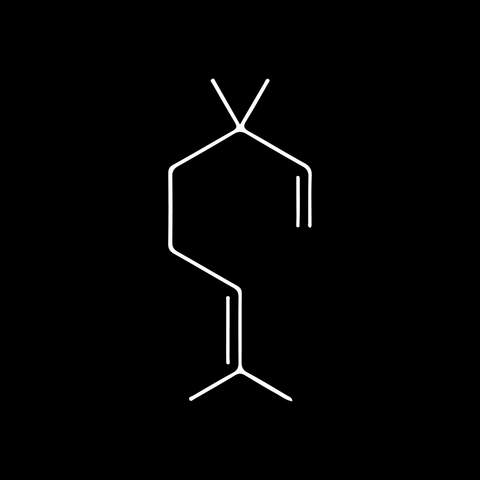
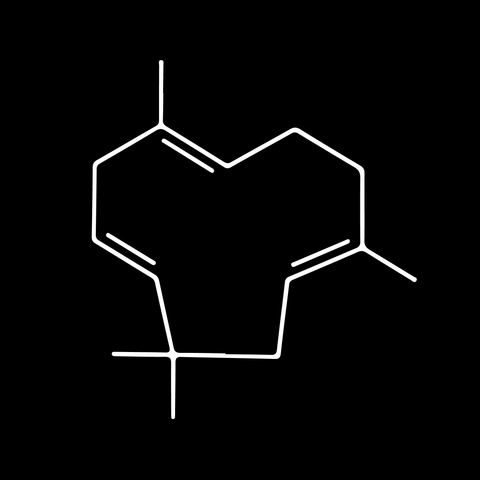
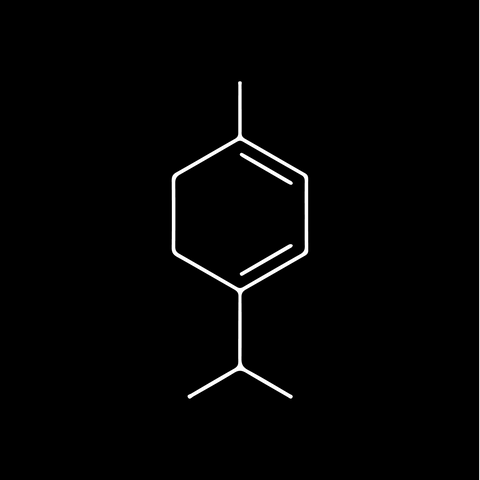
A Guide To Terpenes
Learn more about cannabis terpenes and their unique therapeutic properties.


Terpene Resources
Learn more about cannabis terpenes and their unique therapeutic properties.



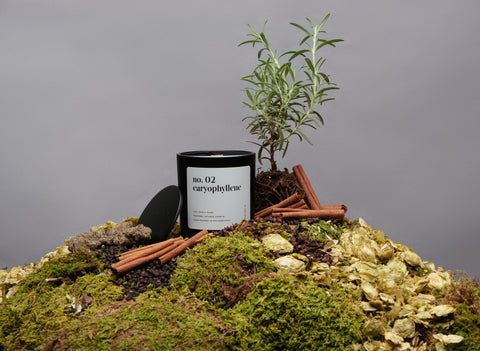
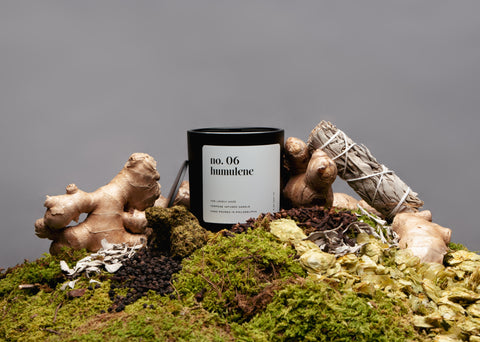
The Terpene Collection
This aromatherapeutic collection was created to share cannabis education, specifically about terpenes and their medicinal benefits. As two medical marijuana patients themselves, our founders have been working behind the scenes to create a collection that combines art and creativity with science and education. Each candle in this collection is hand-poured using our velvety soft hemp soy wax and the highest quality pure, food-grade terpene oils.


Roll-On Fragrance
Introducing our exclusive luxury roll-on fragrances.
Roll-On Fragrance
10mL roll-on fragrance with a coconut oil base.
Infused with drops of pure, distilled terpenes.
Featured
You may have seen us in...

Candle Care
The answers to all of your burning questions.When you light your candle for the very first time, allow the entire surface of wax to melt for about 2-3 hours. If you notice that the flame keeps going out, try trimming the wick a little more.
We recommend keeping your burn sessions limited to 3-4 hours for our 12 OZ and 8 OZ candles. As a general rule, never let your candle burn for longer than 4 hours at a time. Our 12 OZ candles have a burn time of 70-80+ hours. Our 8 OZ candles burn for 40-50+ hours.
We recommend trimming your wick to 1/4" between sessions for the perfect burn. You'll notice that this makes a significant difference for the longevity and clean burning of your candle. A longer wick often burns too hot, causing the candle to burn too quickly and create too much soot. On the other hand, a wick that has been cut too low is in danger of being drowned out. You can purchase a wick trimmer in our Candle Care Kit.
Don't panic! This is common and it's easy to revive your candle by using a paper towel to soak up a little bit of wax until you see the flame start to grow stronger. On the other hand, if your flame is burning too hot, simply extinguish and and allow your candle to cool before trimming the wick and lighting up again.
When you blow out your candle, you create unnecessary smoke that causes your candle to loose fragrance. Instead, try extinguishing your candle using the lid or a snuffer, which can be found in our Candle Care Kit.
Once there's less than 1/4" of wax left in your candle, you can remove the remaining wax and repurpose the vessel. Read more about our commitment to sustainability and how to repurpose your vessel here.
Do not extinguish your candle with water. Keep your candle away from drafts and be extremely careful when moving lit candles. Never leave your candle unattended while burning. Please keep out of reach of children and pets. We recommend storing your candle in cool environment, either room temperature or below to prevent your candle from softening, bending, or melting.